
When Appraisers Disagree: Is It Really About the Numbers?
Disagreements between appraisers are nothing new. In fact, resolving differences in the amount of loss is the very purpose of the appraisal process. But when two estimates are significantly different, we have to ask ourselves: Is the disagreement really about the numbers, or is it about how those numbers were reached?
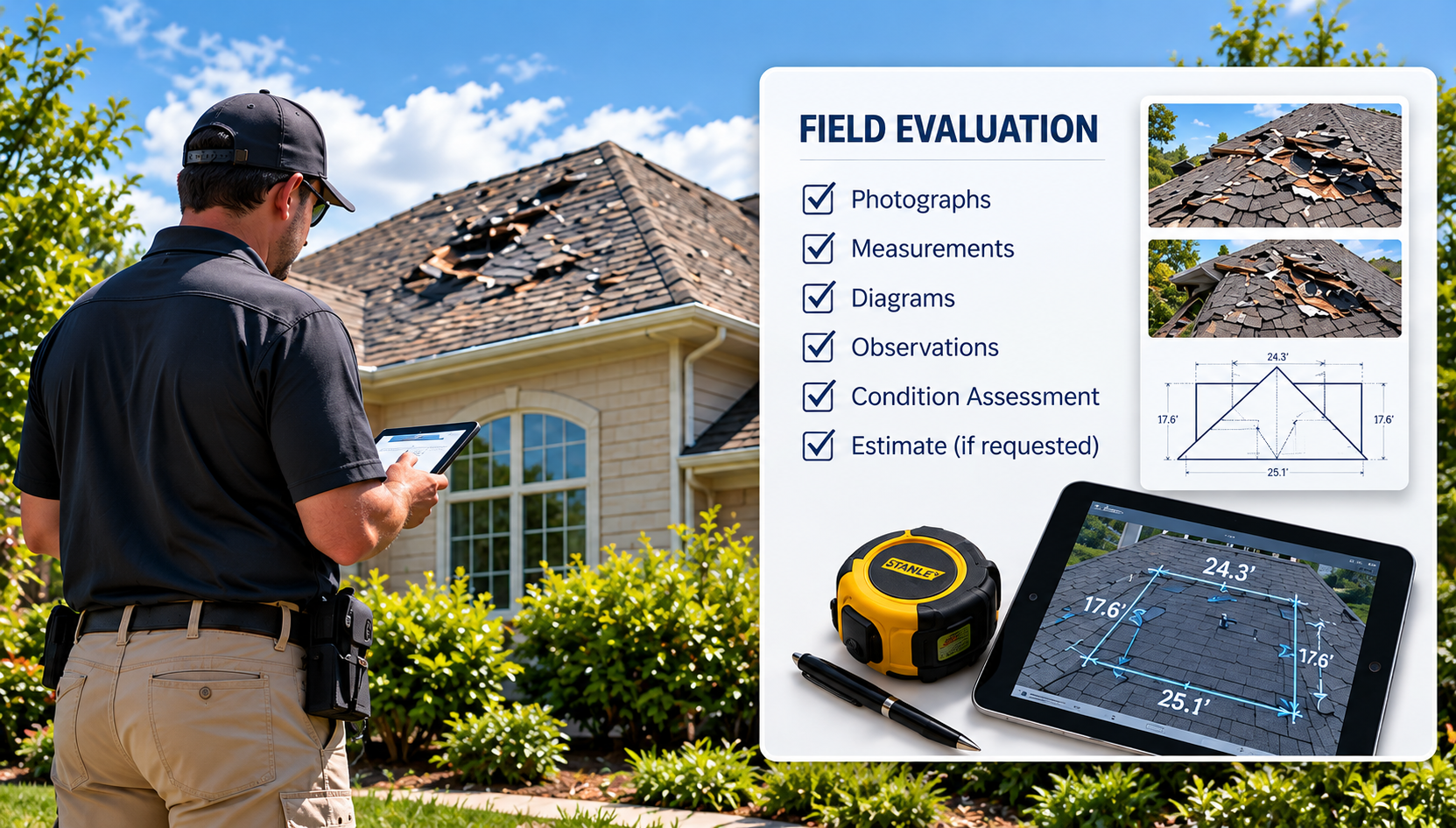
Two appraisers can inspect the same property and arrive at different conclusions regarding the extent of damage, necessary repairs, and associated costs. Differences in professional judgment are expected. What matters is whether those conclusions are supported by physical evidence, thorough documentation, and sound reasoning.
The appraisal process shouldn’t become a negotiation between two predetermined figures. Nor should an appraiser’s objective be to defend an initial position at all costs.
Instead, the focus should remain on independently evaluating the damage, identifying an appropriate scope of repairs, and explaining the basis for those determinations.
Equally important is recognizing the distinction between determining the amount of loss and making coverage decisions. While appraisal may involve evaluating the cause and extent of physical damage, interpreting policy coverage remains outside the appraiser’s responsibility.
Ultimately, a credible appraisal isn’t measured by whether the final award is higher or lower than the original estimate. It’s measured by the quality of the evaluation and the evidence supporting the conclusions.